Transforming Vintage Reel Icons into Layered Progressive Systems for 3D Mobile Gaming Platforms
Mia Koch · Aug 23, 2026
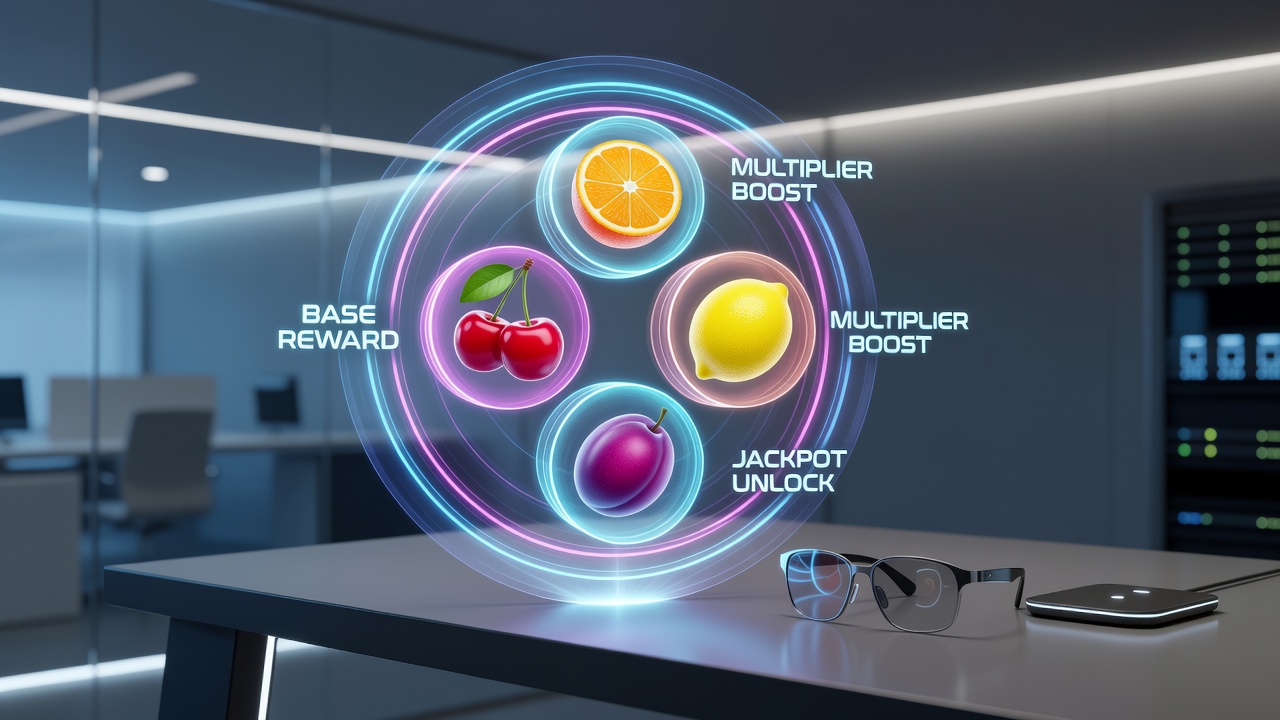
Transforming Vintage Reel Icons into Layered Progressive Systems for 3D Mobile Gaming Platforms
Slot development teams have shifted classic fruit symbols such as cherries, lemons, and sevens from static two-dimensional reels into dynamic elements that trigger multi-tiered progressive rewards inside wireless 3D environments, and this transition relies on updated rendering engines that layer visual depth with accumulating prize pools. Developers map each original icon to specific reward tiers where a basic cherry might initiate a lower progressive level while a diamond variant unlocks higher accumulations, all rendered through real-time 3D modeling that responds to player interactions on handheld devices.
Core Mechanics Behind Symbol Adaptation
Teams begin by preserving the visual identity of legacy fruit sets yet embed them with metadata that connects to progressive databases, and this process occurs through asset pipelines that assign each symbol a probability weight tied to jackpot tiers. In August 2026 several providers released titles where a spinning lemon triggers not only line wins but also increments a shared progressive meter visible in three-dimensional space, allowing players to observe prize growth from multiple camera angles on wireless screens. The adaptation maintains recognition value while introducing new interaction layers that expand reward potential beyond traditional paylines.
Wireless constraints require optimized polygon counts and texture compression so that 3D fruit models load quickly across variable network conditions, and developers achieve this by converting flat icons into low-poly objects that still retain recognizable shapes under different lighting simulations. Research from industry reports indicates these optimizations reduce data usage by up to thirty percent compared with earlier 3D implementations while preserving animation fluidity during bonus sequences.
Layered Progressive Reward Structures
Layered systems divide prize pools into visible strata where base symbols contribute to minor progressives and upgraded versions feed major or grand levels, and this hierarchy appears in games that display multiple meters simultaneously within the 3D scene. A single spin can advance several layers at once when fruit symbols align with designated collection zones rendered as floating orbs around the reels. Data from the Malta Gaming Authority shows increased player session lengths in titles that integrate these layered mechanics on mobile platforms during the first half of 2026.
One development studio documented how they repurposed the classic BAR symbol as a collector that gathers smaller fruits into a central progressive hub, creating visual feedback that updates in real time across wireless connections. This approach links vintage iconography directly to expanding prize networks without requiring players to navigate separate menus, and the result appears in several August 2026 releases where 3D environments display accumulating totals as glowing fruit clusters that grow in size and luminosity.
Wireless 3D Environment Integration
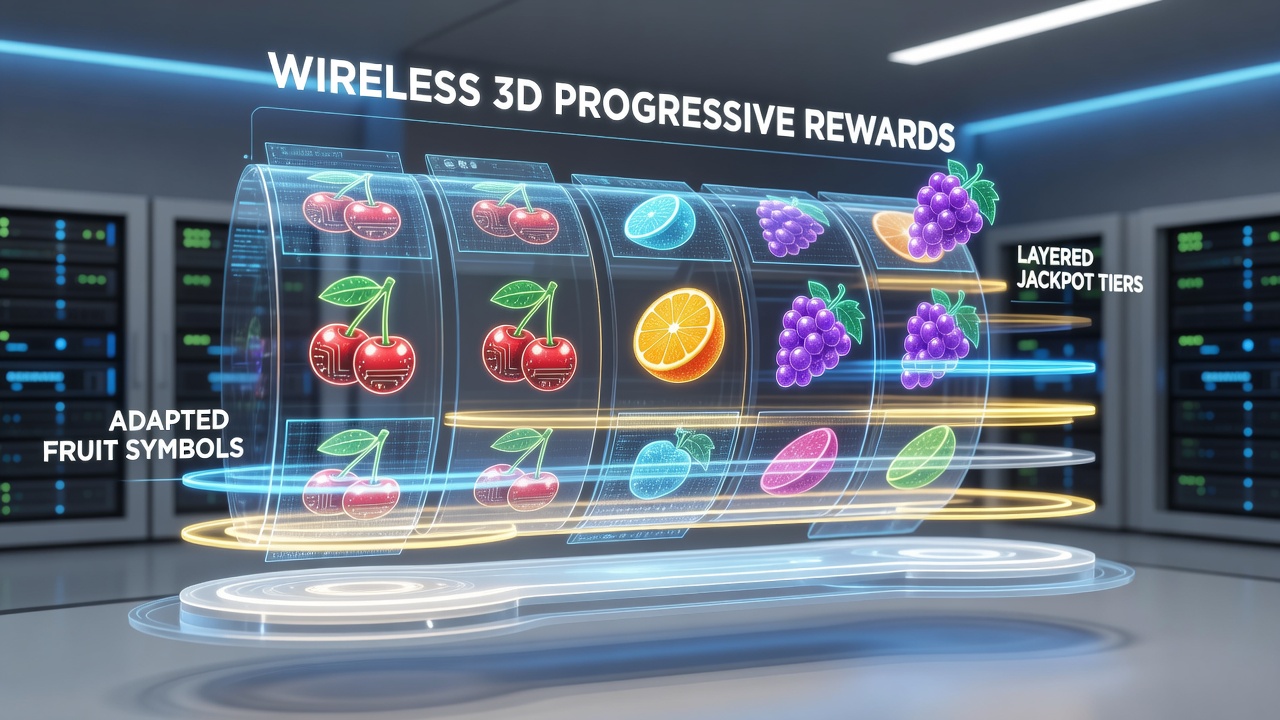
Wireless platforms demand adaptive rendering that adjusts 3D complexity based on device capabilities, and developers implement this through scalable asset libraries where fruit symbols transition from detailed models on high-end phones to simplified versions on older hardware. The same underlying progressive logic remains consistent across devices, ensuring that reward calculations stay synchronized with central servers regardless of visual fidelity. Observers note that this consistency supports cross-device play sessions that maintain progressive contributions without interruption.
Audio cues tied to symbol upgrades further reinforce the layered structure, with distinct sound layers activating when a fruit icon crosses into a higher progressive bracket. These sonic elements combine with visual particle effects that emanate from the 3D models during accumulation events, creating multisensory confirmation of reward progression within the wireless environment.
Technical and Regulatory Considerations
Providers coordinate with regulatory bodies such as the New Jersey Division of Gaming Enforcement to certify that adapted symbols and their associated progressive algorithms meet fairness standards across mobile networks. Certification processes examine random number generation for each fruit variant and verify that progressive contributions distribute correctly among connected players. Figures from the Australian Communications and Media Authority reveal steady growth in certified 3D progressive titles available through licensed operators during mid-2026.
Security protocols encrypt both symbol outcome data and progressive meter updates to prevent tampering during wireless transmission, and encryption layers operate alongside 3D rendering pipelines without noticeable latency on most consumer devices. Development teams test these systems under simulated network fluctuations to confirm that reward displays remain accurate even when connections briefly drop and reconnect.
Conclusion
The adaptation of classic fruit symbols into layered progressive rewards within wireless 3D environments follows established patterns of technological evolution that balance heritage recognition with expanded functionality. Providers continue to refine rendering techniques, reward layering, and network synchronization to deliver consistent experiences across handheld platforms, supported by regulatory oversight from multiple jurisdictions. Data from 2026 demonstrates ongoing expansion of these formats as development tools mature and wireless infrastructure improves.