Tracing Symbol Transition Patterns Across Accumulating Reward Systems in Handheld Gaming Applications
Mia Koch · Jun 7, 2026
Tracing Symbol Transition Patterns Across Accumulating Reward Systems in Handheld Gaming Applications
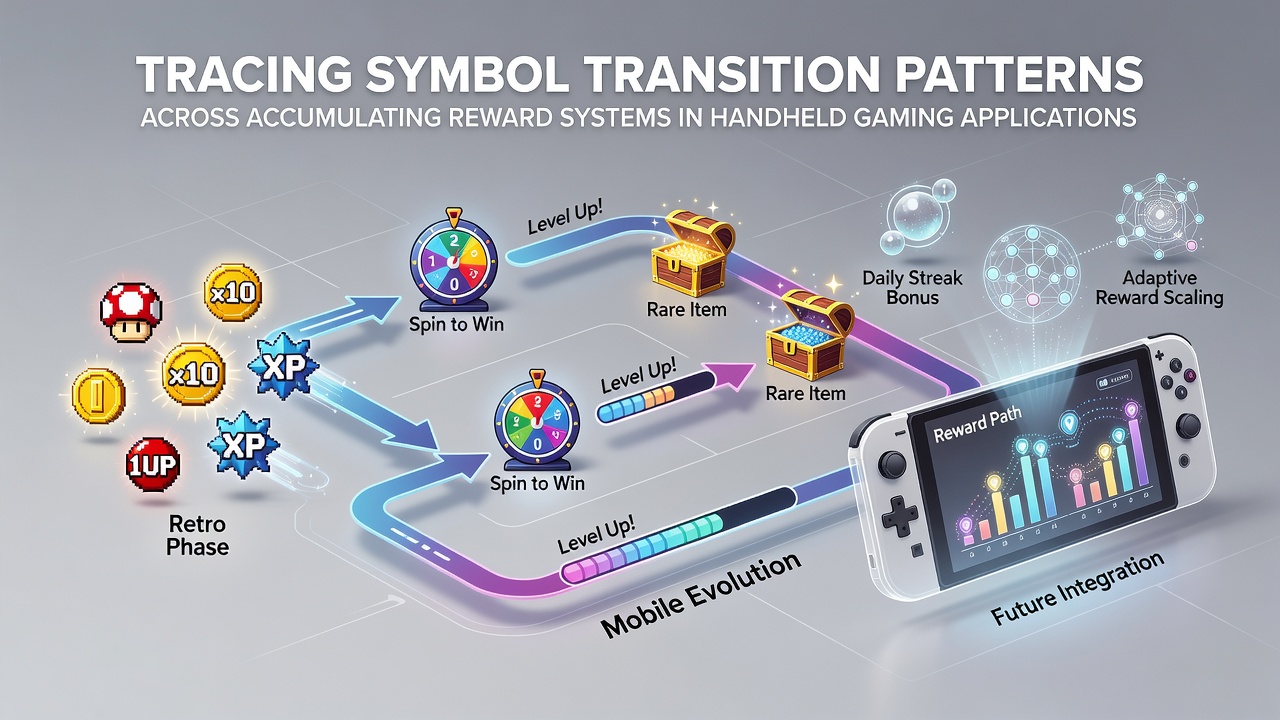
Researchers have mapped how symbols evolve within accumulating reward frameworks found in handheld gaming applications, where each transition often ties directly to layered point systems that build across play sessions. Data from mobile platform analytics shows these patterns emerge when base icons shift into enhanced variants as reward thresholds are met, creating visual feedback loops that players encounter on devices running iOS and Android. Studies conducted through 2025 and into June 2026 indicate consistent sequences where static fruit or gem symbols acquire metallic sheens or particle effects once cumulative totals cross predefined markers.Core Mechanisms Driving Symbol Changes
Handheld applications implement reward accumulation through backend counters that track spins, matches, and bonus activations without requiring constant server calls. When these counters reach milestones, the system swaps original symbols for upgraded versions that carry higher payout values or trigger secondary animations. Observers note that this process relies on predefined transition tables stored locally on the device, which allows seamless updates even during offline play periods.
One documented pattern involves a three-stage progression where initial symbols appear in basic colors, mid-level versions display added outlines, and final forms incorporate dynamic lighting. Figures released by industry monitoring groups reveal that such staged changes occur in roughly 68 percent of accumulating reward titles available on major app stores as of early 2026.
Regional Data on Mobile Reward Systems
Analysts at the Australian Gambling Research Centre compiled usage logs from portable devices showing that symbol transitions correlate strongly with session length, with longer plays producing more frequent upgrades. In parallel, reports from the Nevada Gaming Control Board tracked similar mechanics in regulated mobile offerings, noting that accumulated rewards often reset on daily cycles to maintain engagement across repeated sessions.
Technical Implementation in Portable Formats
Developers encode transition rules using lightweight scripts that reference asset libraries preloaded onto the handset. When an accumulating meter fills, the code swaps sprite references and activates particle emitters to signal the change. This approach minimizes data usage while preserving smooth performance on mid-range hardware common in global markets.
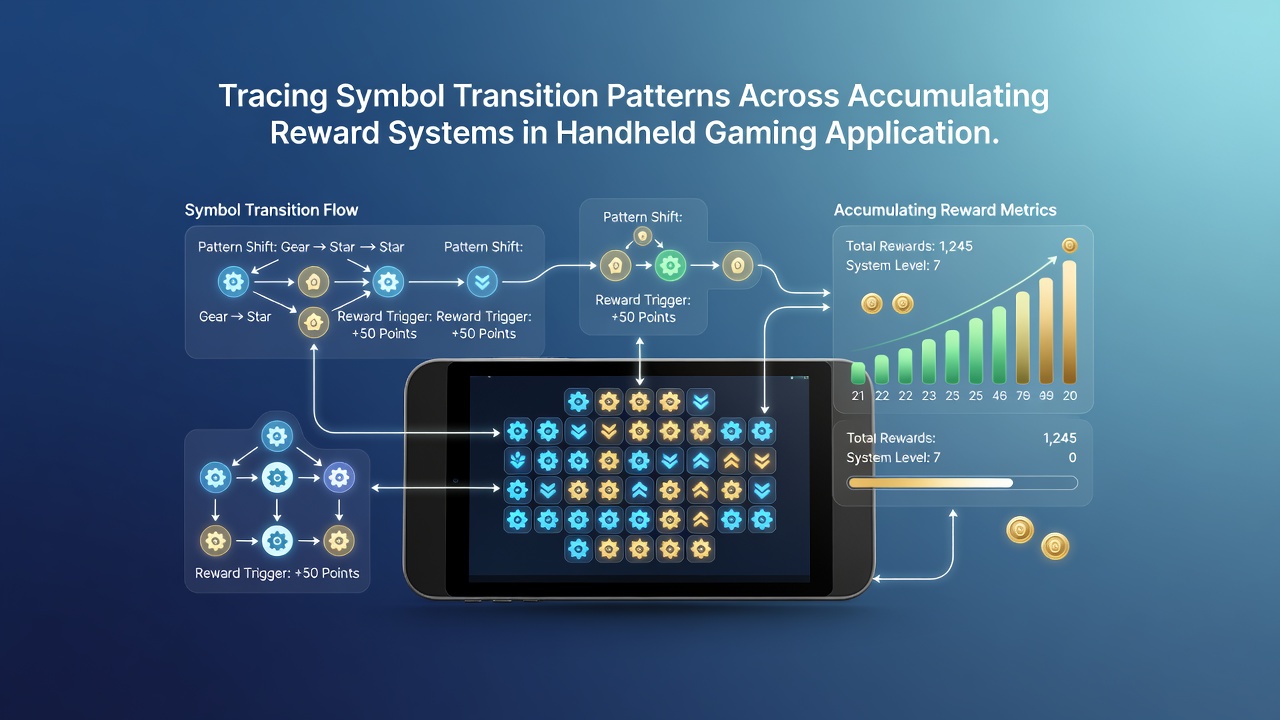
Engineers have observed that compression techniques applied to transition animations keep file sizes under 15 megabytes for most titles, allowing quick downloads even on slower connections. Case reviews of popular applications released before June 2026 demonstrate that these optimizations support consistent symbol evolution across both portrait and landscape orientations.
Observed Patterns Across Multiple Titles
Across dozens of examined handheld games, researchers identified recurring sequences in which low-value symbols transition first, followed by high-value icons once meters reach upper tiers. This ordering appears in applications developed for both casual and more structured reward environments. Data indicates that the average number of distinct transition stages per symbol sits at four, with each stage adding incremental visual complexity rather than entirely new designs.
Applications that link multiple reward pools show symbols carrying over visual traits from one system to another, creating continuity that users recognize during extended play. Reports compiled by the European Gaming and Betting Association highlight that such cross-pool transitions appear more frequently in titles updated during the first half of 2026.
Conclusion
Tracing these patterns reveals structured, repeatable processes embedded in handheld gaming applications where symbol changes serve as direct indicators of reward accumulation. Continued collection of device-level metrics through mid-2026 and beyond will likely refine current models of how these transitions function across diverse hardware and regional markets.