The Role of Layered Reward Cycles in Adapting Vintage Symbol Sets to Portable Progressive Formats
Mia Koch · May 29, 2026
The Role of Layered Reward Cycles in Adapting Vintage Symbol Sets to Portable Progressive Formats
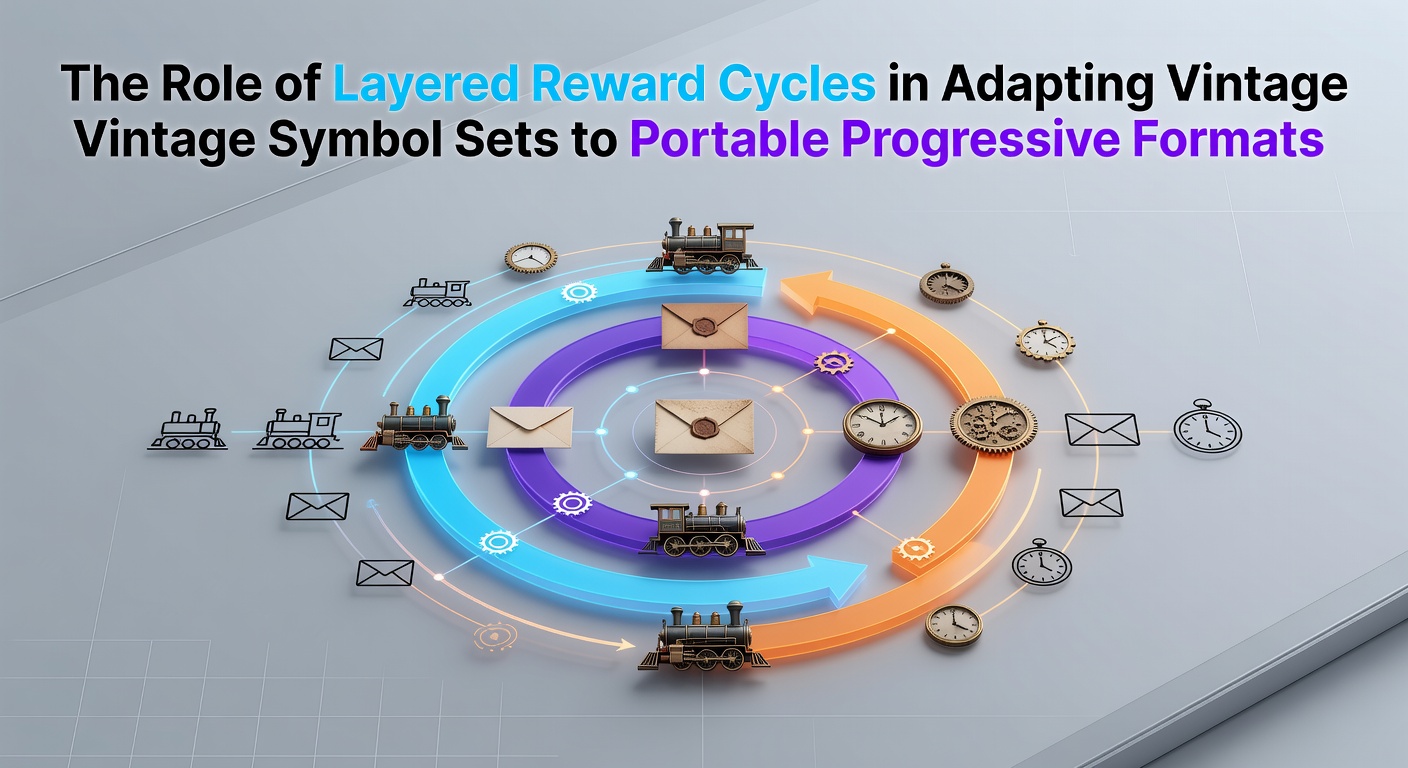
Providers continue to refine methods that convert classic reel icons into components of mobile progressive systems, where layered reward cycles create incremental payout structures across base play, feature rounds, and accumulating jackpots. These cycles organize symbol interactions into tiers that trigger at different frequencies, allowing older fruit, bar, and seven designs to function within variable bet multipliers and pool contributions on handheld devices.
Mechanics Behind Vintage Symbol Adaptation
Vintage symbol sets originally operated on fixed paylines with straightforward three-reel combinations, yet current portable formats require symbols to support dynamic reel expansions and random modifiers. Layered reward cycles address this by assigning each symbol type a position in a sequence that escalates from low-frequency base hits to higher-tier progressive qualifiers, and data from industry reports shows this approach maintains recognition for legacy elements while meeting technical demands of touch-screen interfaces.
Operators track symbol performance through cycle mapping that logs hit rates at each layer, which permits adjustments to reel weighting so classic cherries or bells contribute to both immediate credits and longer-term jackpot seeds. In May 2026 several platforms reported updated cycle parameters that increased symbol versatility without altering core visual identities, and this timing aligned with broader mobile hardware releases that improved rendering of layered animations.
Integration with Progressive Pool Structures
Portable progressive formats rely on shared prize pools that grow through percentage contributions from each spin, and layered cycles link vintage symbols directly to pool increments at multiple thresholds. A base-layer cycle might award standard line wins with cherries or plums, while a secondary layer activates when those same symbols appear during expanding reels, and a tertiary layer reserves certain combinations exclusively for progressive triggers.
Research from academic gaming studies indicates that such stratification preserves the visual familiarity of vintage sets even as mathematical models shift toward mobile-specific volatility curves. Players encounter the same icons across cycles, which reduces cognitive load during transitions between standard spins and bonus sequences on smaller screens.
Technical Considerations for Handheld Deployment
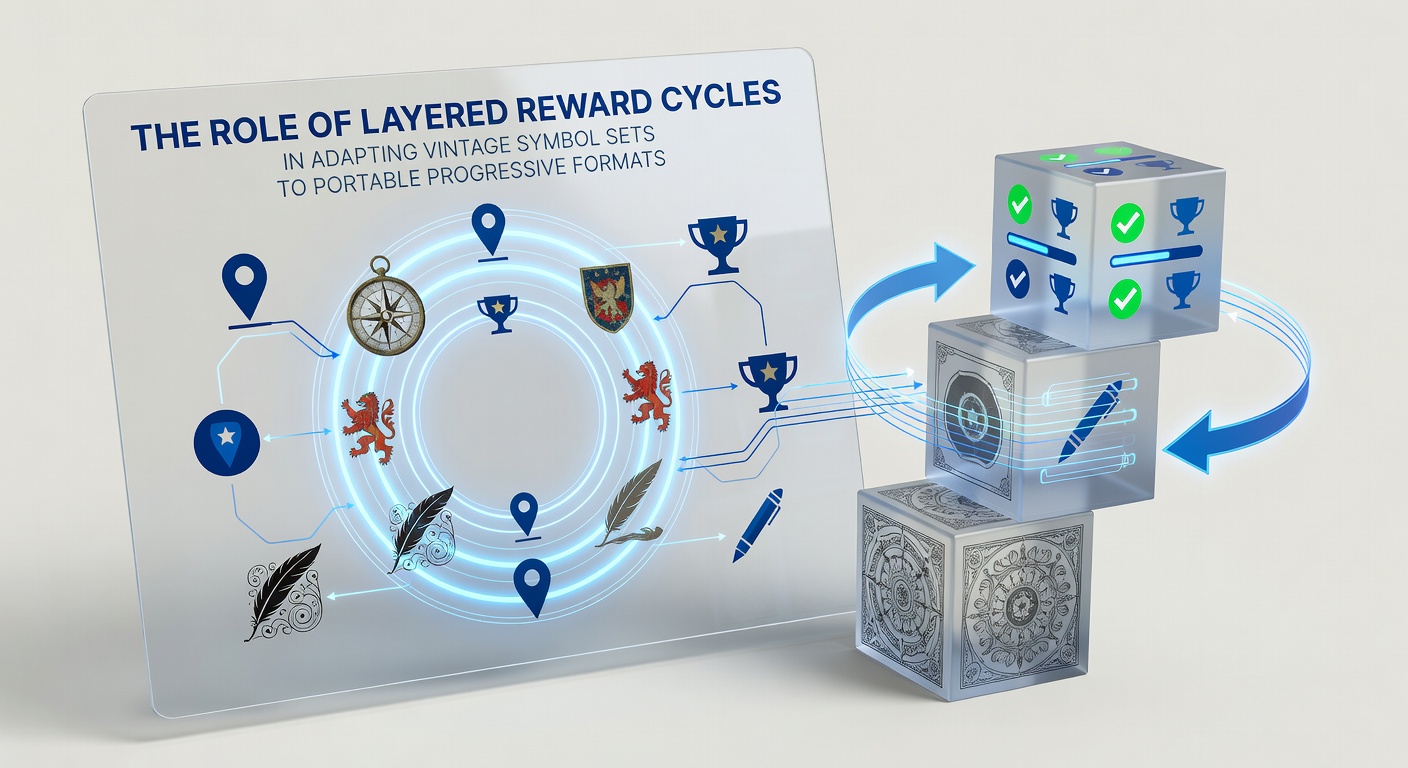
Developers implement cycle logic through server-side algorithms that synchronize symbol outcomes with real-time pool values, ensuring that portable sessions reflect the same progression rules as desktop counterparts. Vintage symbols receive updated collision detection routines so overlapping icons during cascades feed into successive reward layers without disrupting mobile frame rates.
Regulatory filings in multiple jurisdictions document how these cycles undergo testing for fairness, with emphasis on transparent disclosure of each layer's contribution rate to the overall return-to-player percentage. Observers note that jurisdictions outside the UK, such as those overseen by the Nevada Gaming Control Board, have begun requiring detailed cycle documentation in new game submissions.
Player Engagement Patterns Across Formats
Usage statistics compiled by regional gaming associations reveal that sessions featuring layered cycles retain vintage symbols longer than those using fully modernized iconography. The cycles create repeated touchpoints where familiar symbols reappear at higher reward stages, which supports extended play intervals on portable devices where session length often varies due to network conditions.
One documented approach involves mapping legacy symbols to dual-function roles: they satisfy traditional payline requirements at the first layer and qualify for pooled jackpots at deeper layers once specific reel configurations align. This dual mapping appears in multiple provider portfolios released during early 2026, and it allows marketing materials to highlight continuity with earlier mechanical machines.
Future Adjustments in Cycle Design
Industry organizations continue to examine how cycle depth influences cross-device synchronization, particularly when progressive contributions must update across simultaneous mobile and land-based terminals. Adjustments scheduled for later in 2026 focus on refining layer thresholds so vintage symbol frequencies remain balanced even as jackpot pools reach new milestones.
Evidence from collaborative reports by European gaming research bodies shows measurable differences in symbol retention rates when cycle layers receive incremental tuning versus wholesale redesigns. These findings guide providers in prioritizing which legacy elements receive full cycle integration and which remain limited to base-game appearances.
Conclusion
Layered reward cycles supply a structured pathway for vintage symbol sets to operate inside portable progressive environments by distributing payout responsibilities across defined stages. The approach relies on documented technical mappings, regulatory compliance checks, and performance data that track symbol behavior at each tier. As platforms evolve through 2026, the same cycle frameworks support ongoing refinements that keep classic icons functional while meeting the technical and regulatory requirements of mobile jackpot systems.