Symbol Migration Patterns Bridging Legacy Reels to Multi-Stage Prize Systems in Wireless Formats
Otto Richter · Jul 8, 2026
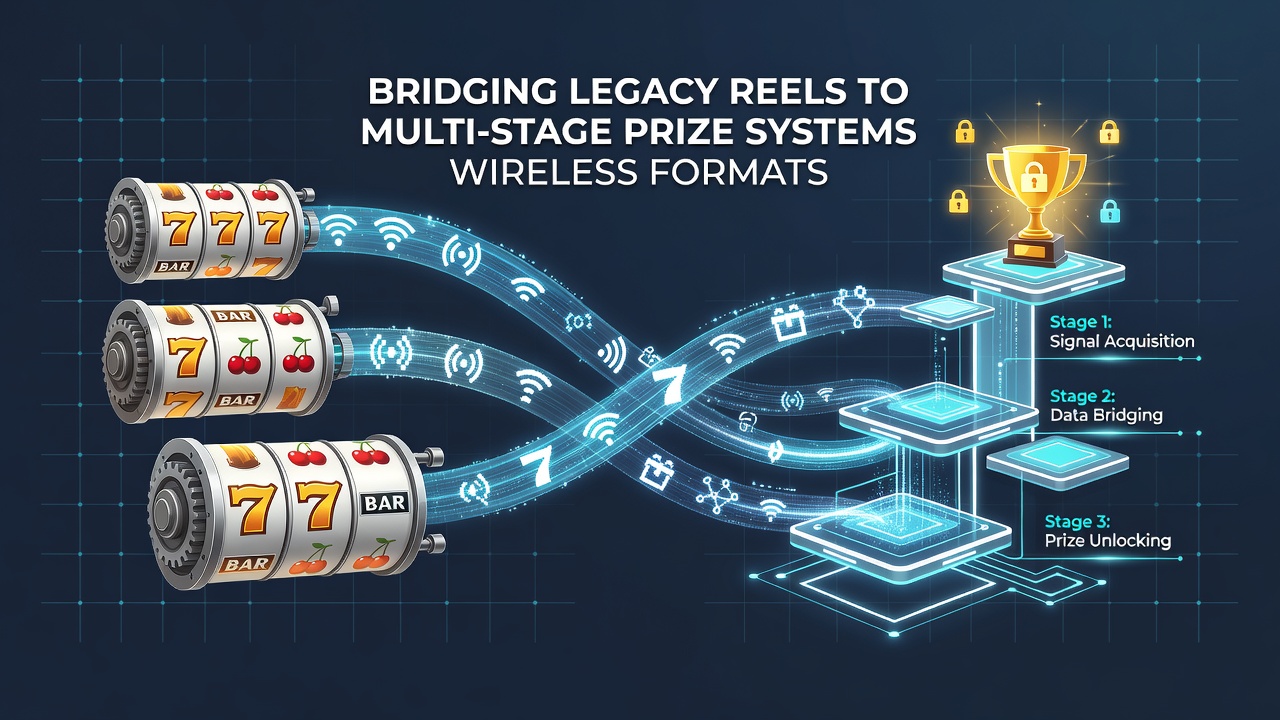
Symbol Migration Patterns Bridging Legacy Reels to Multi-Stage Prize Systems in Wireless Formats
Slot design teams have tracked the movement of core reel icons such as cherries, sevens, and bars from mechanical cabinets into layered digital ecosystems where those same elements unlock successive prize tiers on handheld devices. Data from regulatory filings show that between 2024 and 2026 providers integrated legacy symbol sets into mobile frameworks that distribute rewards across base-game triggers, intermediate bonus rounds, and terminal jackpot stages, and this integration follows measurable migration sequences rather than random redesigns.
Legacy Symbol Retention in Portable Environments
Observers note that fruit-machine developers preserve original icon dimensions and color palettes during conversion so that players recognize familiar shapes while the software engine assigns new mathematical weights to each symbol. Research from the Canadian Gaming Association indicates that retention rates for classic symbols exceed 70 percent when titles migrate to wireless platforms, because recognition accelerates player onboarding and reduces the learning curve associated with entirely new icon libraries.
Engineers map each legacy symbol to multiple payout tables that activate at different stages of a session. A single bar symbol might award a fixed credit line in the base game, then scale into a multiplier during a hold-and-win sequence, and finally contribute to a progressive pool when collected in sufficient quantities across consecutive spins. This staged mapping creates the multi-tier structure without discarding the visual language established on land-based reels.
Technical Pathways for Symbol Layering
Developers employ asset pipelines that export vector versions of classic symbols and embed metadata tags linking each icon to specific prize stages. Once the tags exist, the game logic routes collected symbols into separate reward ledgers that accumulate independently yet draw from the same visual pool. Figures released by the Nevada Gaming Control Board for the first half of 2026 reveal that titles using this tagged approach recorded a 12 percent increase in session length compared with titles that introduced entirely new iconography.

Wireless formats impose additional constraints on animation cycles and touch-screen hit boxes, so migration teams adjust symbol spacing and scaling while maintaining the original hierarchy of value. High-value icons receive larger hit areas and slower spin deceleration to preserve the tactile feedback users associate with physical reels. Those adjustments occur after the mathematical model has already assigned each symbol its role within the staged prize system.
Multi-Stage Prize Integration Patterns
Analysts at the Australian Communications and Media Authority documented four recurring integration sequences in 2025 titles that successfully bridged legacy reels to wireless progressive formats. The most common sequence begins with base-game symbol collection, moves to a secondary meter that fills during feature rounds, and terminates in a shared jackpot pool visible across multiple devices. Each stage retains at least two original symbols while introducing one new visual modifier that signals progression to the next tier.
Providers synchronize these stages with server-side progressive controllers that update in real time across regional networks. When a player accumulates the required legacy symbols in the first two stages, the controller unlocks eligibility for the terminal prize without altering the underlying reel strips. This synchronization relies on standardized APIs that transmit symbol-count data alongside wager information, allowing seamless handoff between local device logic and central prize servers.
Regional Regulatory Influences on Migration Timing
July 2026 data submissions from multiple U.S. state regulators show that jurisdictions with updated technical standards for mobile jackpot pooling experienced faster adoption of legacy-symbol migrations. Operators in those markets reported that compliance documentation for symbol-tagged prize systems required fewer revisions because the staged structure aligned with existing audit trails for progressive contributions. In contrast, markets still refining their wireless standards delayed launches until symbol-migration documentation satisfied new data-integrity requirements.
Industry reports compiled by the European Gaming and Betting Association further indicate that cross-border operators standardize symbol migration templates to satisfy the strictest technical rules among participating jurisdictions. This standardization reduces development cycles by an average of three weeks per title and ensures consistent prize-stage logic regardless of the player’s location.
Conclusion
Symbol migration from legacy reels to multi-stage wireless prize systems follows repeatable technical sequences that preserve visual identity while expanding reward distribution across successive layers. Regulatory filings and association datasets confirm that providers achieve these transitions through tagged asset pipelines, synchronized server logic, and region-specific compliance adjustments. Continued tracking of these patterns supplies measurable benchmarks for session duration, symbol retention, and progressive-pool contribution rates in wireless formats.