Symbol Adaptation Trends in Building Prize Ecosystems for Handheld Reel Designs
Otto Richter · Aug 19, 2026

Symbol Adaptation Trends in Building Prize Ecosystems for Handheld Reel Designs
Symbol transitions in accumulating prize networks for handheld reel formats involve systematic changes where classic reel icons evolve into layered elements that connect to expanding reward pools; these shifts occur as providers integrate legacy fruit symbols with digital overlays that track multi-level jackpots on mobile platforms. Data from industry analyses shows that such adaptations allow vintage reel sets to interface with tiered prize structures without disrupting core gameplay loops while maintaining visual continuity across device screens.
Core Mechanics of Symbol Evolution
Observers note that handheld reel formats often start with standard symbols like cherries and bars then layer additional visual cues such as glowing borders or animated frames to signal participation in accumulating networks; this process connects individual spins to broader prize systems where each symbol variant contributes to a shared pool that grows over time. Research indicates these transitions rely on code frameworks that detect symbol matches and route them toward progressive tiers while the game runs on wireless applications.
Patterns emerge when providers map original reel icons onto new bonus triggers for example a seven symbol might gain a metallic sheen in mobile versions to denote entry into higher prize brackets. Those who've studied portable progressive formats find that these modifications preserve recognition for players familiar with land-based machines yet introduce functionality for real-time prize accumulation across multiple sessions.
Integration with Mobile Constraints
Handheld platforms impose limits on processing power and screen size so symbol transitions incorporate simplified animations that still convey connection to expanding prize networks; developers achieve this by using vector-based graphics that scale without loss of detail and by timing transitions to coincide with win evaluations. Figures from gaming reports reveal that August 2026 saw increased adoption of these techniques in new releases as operators sought to optimize performance on varied smartphone models.
Take one case where experts tracked a fruit-themed title that replaced static cherry icons with versions displaying incremental prize counters; the change allowed direct linkage to accumulating pools while the underlying reel mechanics stayed intact. Similar approaches appear in other portable formats where symbols gain interactive elements like swipe-responsive highlights that reveal current jackpot levels during play.
Patterns Across Provider Portfolios
Analyses of multiple providers demonstrate recurring sequences in how symbols shift from base reels to network-integrated states; initial versions retain traditional shapes while subsequent updates add color gradients or particle effects that represent prize flow into shared systems. According to data compiled by the Nevada Gaming Control Board, mobile slot revenue patterns in 2026 reflected higher engagement when symbol transitions aligned closely with visible prize growth metrics.
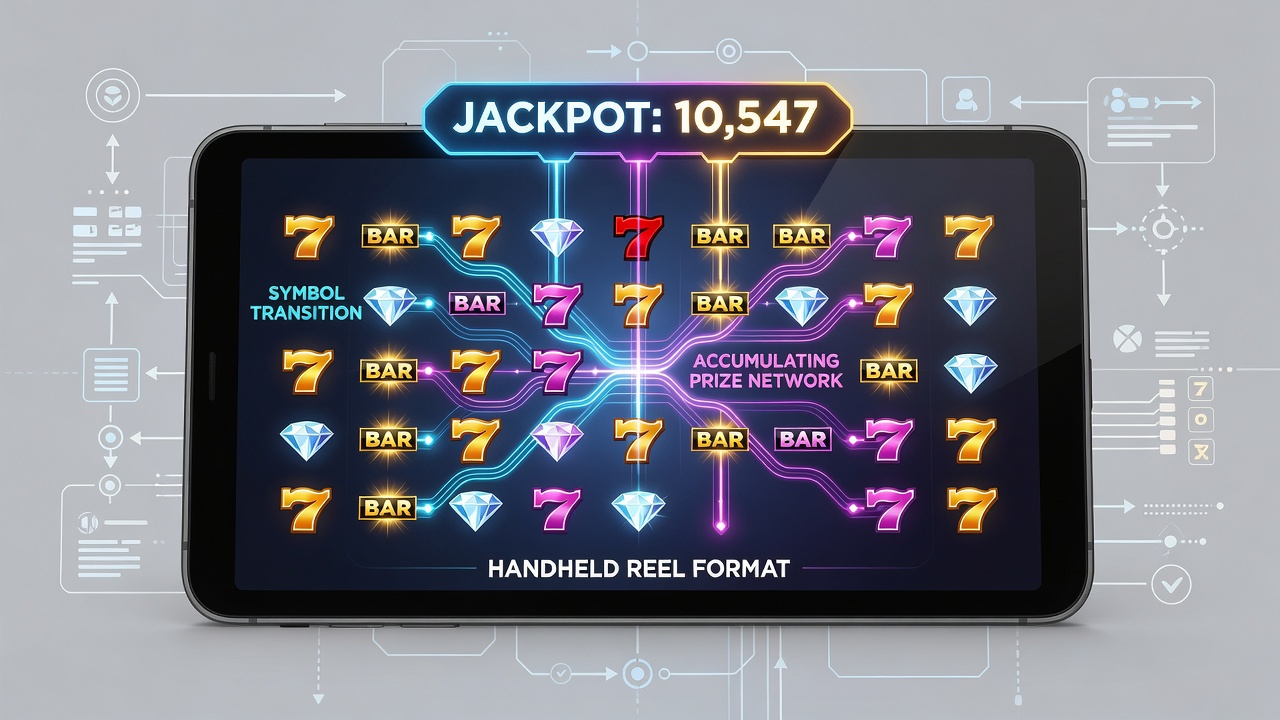
What's notable is the way these adaptations handle multi-tier incentives where lower symbols feed smaller accumulating pots and higher-value icons route toward major jackpots; the structure ensures balanced distribution across player sessions on wireless applications. Studies from academic gaming research groups highlight that effective transitions maintain symbol clarity even after multiple visual upgrades so players recognize familiar elements amid the added prize indicators.
Technical Implementation Details
Engineers achieve symbol transitions through modular asset libraries that swap visual states based on network connection status; for instance a base bar symbol might receive an overlay texture once the game links to an active accumulating prize pool. This method supports seamless updates across app versions without requiring full game rebuilds while preserving compatibility with older handheld devices.
Evidence from industry reports shows that such modular designs reduce development time for new titles in the portable progressive category and allow rapid testing of different symbol configurations before wide release. Observers note that testing often focuses on transition timing to avoid visual lag during high-frequency spins on mobile networks.
Conclusion
Symbol adaptation in accumulating prize networks for handheld reel formats continues to follow established patterns of visual layering and functional linkage; these methods connect legacy reel elements to expanding reward systems while respecting the technical boundaries of mobile play. Data collected through 2026 indicates sustained use of these techniques across provider portfolios as operators refine connections between classic symbols and modern prize structures on wireless platforms.