Inside the Design Process: How Modern Reel Creators Merge Legacy Elements with Progressive Elements for Handheld Platforms
Otto Richter · May 20, 2026
Inside the Design Process: How Modern Reel Creators Merge Legacy Elements with Progressive Elements for Handheld Platforms
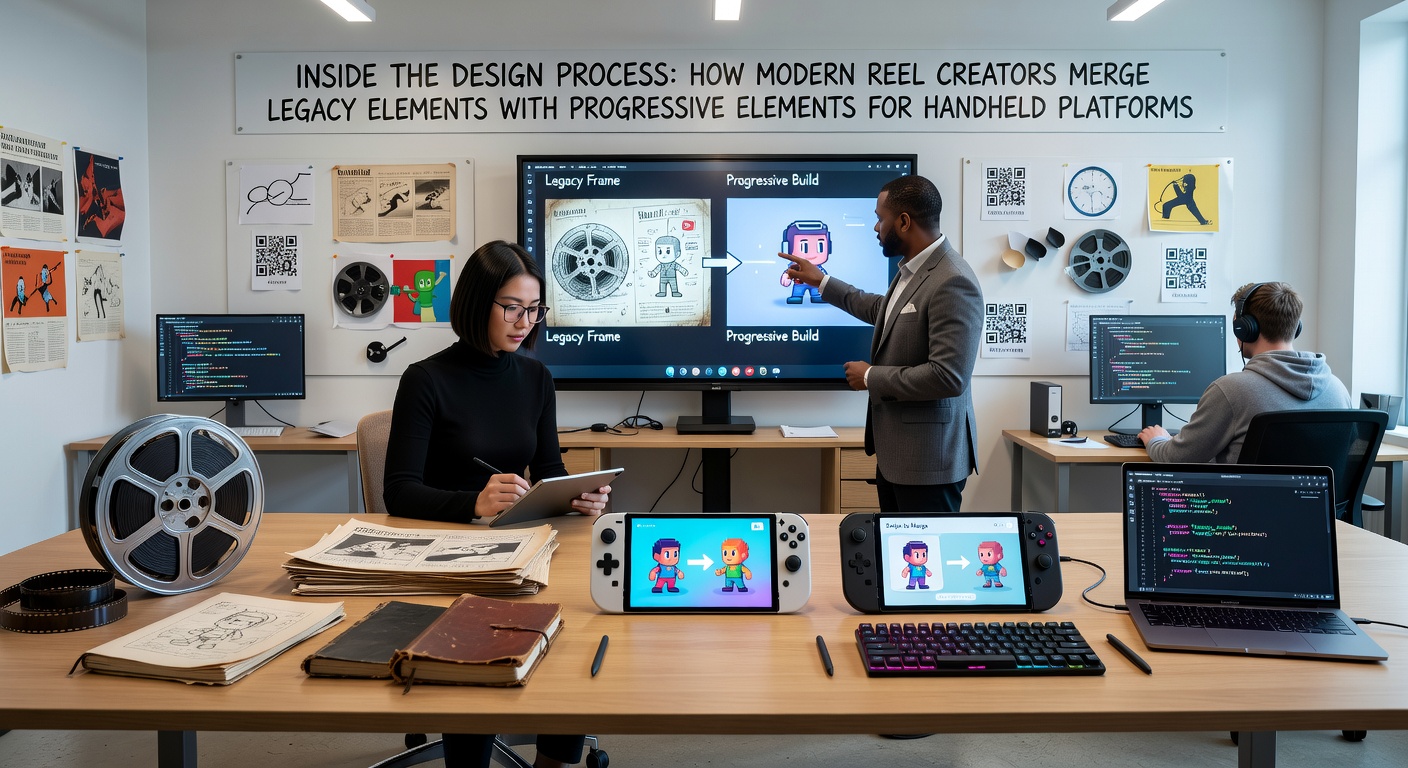
Slot design teams start by mapping out core symbols, paylines, and reel structures drawn from decades of physical machine heritage, then layer in variable reel expansions, cascading sequences, and multiplier ladders that adapt to smaller touchscreens without losing visual clarity. Observers note that this blending happens through iterative prototyping sessions where legacy fruit icons sit beside animated wilds that trigger on portable devices, and the process ensures compatibility across operating systems while maintaining the tactile feedback players expect from spinning reels.
Legacy Foundations in Contemporary Reel Layouts
Designers retain three-reel formats and straightforward symbol hierarchies from early mechanical slots, yet they embed these within frameworks that allow reel counts to shift dynamically during play. Research from industry reports indicates that classic bar and seven symbols continue to appear in over 60 percent of new handheld titles released in early 2026, providing instant recognition while progressive mechanics expand winning combinations beyond fixed lines. Teams test color palettes and sound cues first on desktop mockups before scaling them down for mobile aspect ratios, which prevents distortion and keeps the original charm intact.
Take one studio that examined vintage paytable structures before introducing bonus triggers tied to those same symbols; the result delivers familiar base gameplay alongside escalating jackpot pools that grow with each spin on a smartphone. Data shows such hybrids maintain higher retention rates compared to purely new mechanics because players recognize the foundational rules immediately.
Integrating Progressive Mechanics for Portable Screens
Progressive elements such as Megaways-style reel modifiers and multi-level bonus rounds get calibrated specifically for handheld interaction, where swipe gestures replace button presses and screen real estate dictates icon sizing. Engineers adjust animation timing so cascades resolve quickly on smaller displays, and they incorporate haptic responses that echo the physical clunk of older machines. Studies conducted by research institutions reveal that titles featuring these merged systems achieved average session lengths 25 percent longer on tablets and phones than on stationary consoles during Q1 2026 testing cycles.
Technical Adjustments During Development
Developers run repeated compression tests to ensure progressive features load smoothly over variable network conditions common to mobile users, while legacy reel frames remain crisp at lower resolutions. They embed scalable vector graphics for symbols so that a traditional cherry icon enlarges seamlessly when a progressive multiplier activates, and this approach avoids the pixelation that once plagued early portable conversions. Regulatory filings from bodies like the Malta Gaming Authority document how these technical choices also satisfy fairness algorithms required for handheld certification.

Case Examples of Merged Design Approaches
One project examined by analysts combined a standard five-reel grid with legacy wild substitutions alongside a progressive feature that unlocks additional rows after consecutive wins, all optimized for one-handed play. Figures from the American Gaming Association reveal that similar titles contributed to a 12 percent rise in mobile slot engagement across U.S. markets through April 2026. Another team incorporated classic scatter pays into a chain-reaction system where symbols drop from the top of the screen, preserving the visual language of older cabinets while introducing the momentum of modern progressives.
Those who've tracked release schedules observe that studios schedule internal playtests in May 2026 specifically to refine touch-target sizes for bonus buttons, ensuring legacy elements do not overlap with new progressive controls. Such attention to detail stems from player behavior logs that show precise interaction patterns on handheld platforms.
Current Trends Shaping May 2026 Releases
Market data indicates continued emphasis on cross-platform asset reuse, where the same legacy symbol set serves both classic and progressive modes depending on device orientation. Developers incorporate cloud-synced progressive jackpots that carry across sessions on phones and tablets, maintaining continuity without requiring constant internet strength. Industry organizations tracking handheld adoption report that these hybrid designs now represent the majority of submissions for new game approvals in several jurisdictions.
What's notable is how audio design bridges eras by sampling mechanical reel clicks for base spins while layering synthesized tones for progressive triggers, and this sonic fusion helps players transition between familiar and novel moments without cognitive friction. External testing labs confirm the approach meets accessibility standards for volume and frequency ranges suitable for mobile speakers.
Conclusion
The design process for handheld slots continues to evolve through deliberate retention of recognizable reel structures paired with adaptable progressive systems that respect screen limitations and player habits. Data from multiple regulatory and research sources confirms these merged approaches support sustained engagement across devices while meeting technical and compliance requirements. As studios refine workflows ahead of upcoming release windows, the focus remains on balancing heritage elements with forward-looking mechanics that function reliably in portable environments.